 3 Days / 2 Nights
3-Day Marrakech to Merzouga Desert Tour
Cross the High Atlas, sleep in a luxury Sahara camp and ride camels into the Erg Chebbi dunes at sunset.
from €389View Tour
Short answer: March–May and September–November are the sweet spots for most Morocco trips. But the "best" month depends on where you're going — the Sahara, the Atlas and the coast all have different seasons. Here's the honest breakdown from a team that runs tours year-round.
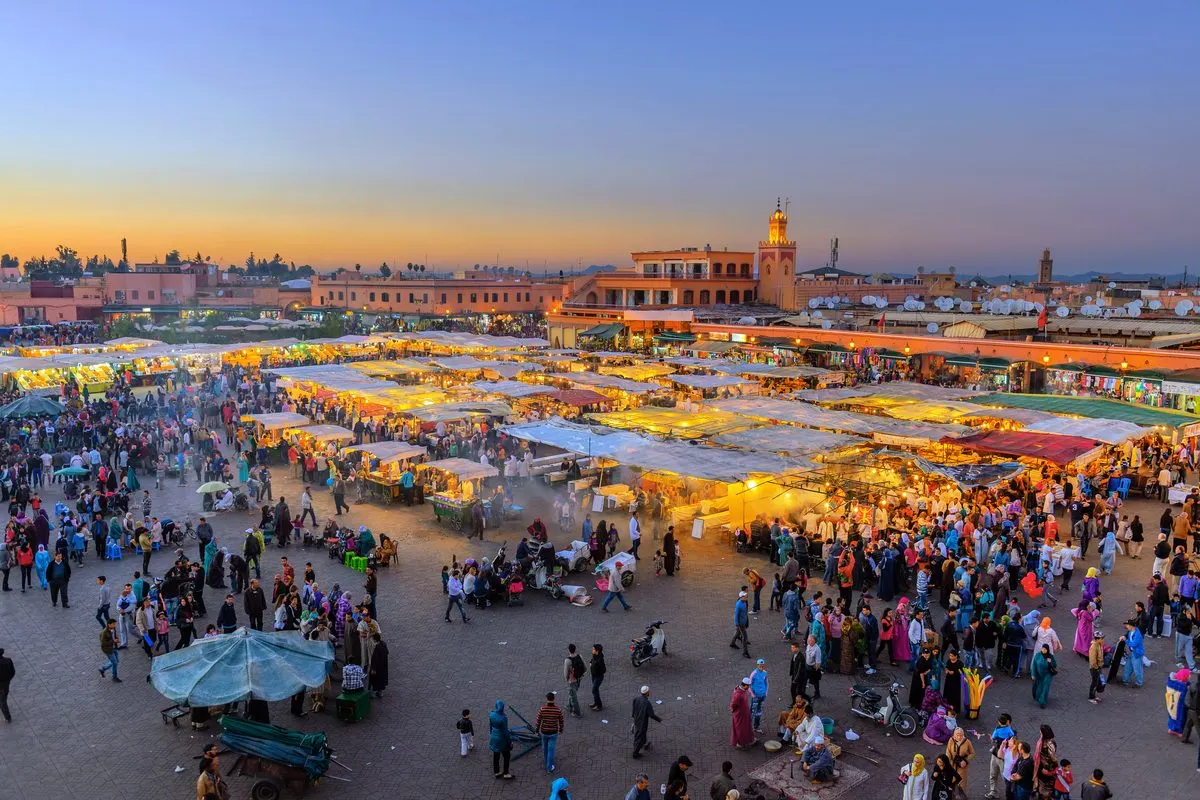
Spring is Morocco at its prettiest. Daytime temperatures sit between 22–28°C in Marrakech and Fes, wildflowers carpet the Atlas foothills, and the desert is warm but not brutal. Rainfall is low, skies are clear, and it's ideal for every type of tour — desert, cities, mountains and coast.
Watch out: Easter week and Ramadan-adjacent dates book up fast. Reserve desert camps 4–6 weeks ahead.
Inland Morocco gets seriously hot — Marrakech regularly tops 40°C and the Sahara can hit 48°C. But this is prime time for the Atlantic coast (Essaouira stays a breezy 25°C) and the High Atlas, where mountain villages are refreshingly cool. If you must do a desert tour in summer, choose a luxury camp with air conditioning and travel with plenty of water.
Our favorite season for desert tours. The summer heat breaks, the dunes glow, nights are comfortable, and crowds thin out after September. October is arguably the single best month for a 3-day Sahara tour from Marrakech.
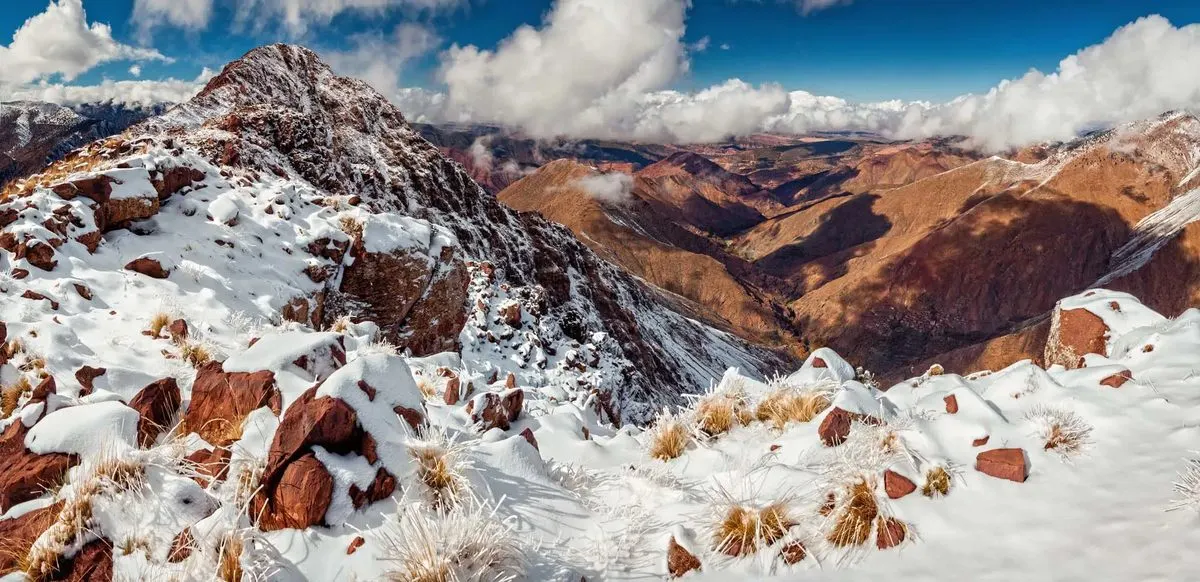
Days are pleasantly mild (17–22°C in the cities) and the light is beautiful for photography. But desert nights drop to 0–5°C — pack proper layers (see our desert packing list). The Atlas gets snow, which is stunning from Imlil but can close high passes briefly.
Bottom line: there's no bad month to visit Morocco — only the wrong packing list. Tell us your dates and we'll match you with the right itinerary.
If your dates are flexible, aim for mid-March to May or late September to November: warm days, cool nights, and the desert at its most comfortable. These months are also the busiest, so book your desert tour two to four weeks ahead, especially around Easter and the October half-term. Travelling in summer? The desert is fierce at midday but the tours still run — we start earlier, rest at noon, and the camp night, when temperatures fall, is genuinely pleasant. Winter brings the clearest skies of the year and empty dunes; pack for cold nights and you may have a whole sea of sand almost to yourself.
One more consideration: Ramadan shifts by about eleven days each year and changes the rhythm of restaurants and medinas without stopping tours. Many travellers find it a fascinating, quieter time to visit — just ask us when you book and we will tell you honestly what to expect on your dates.
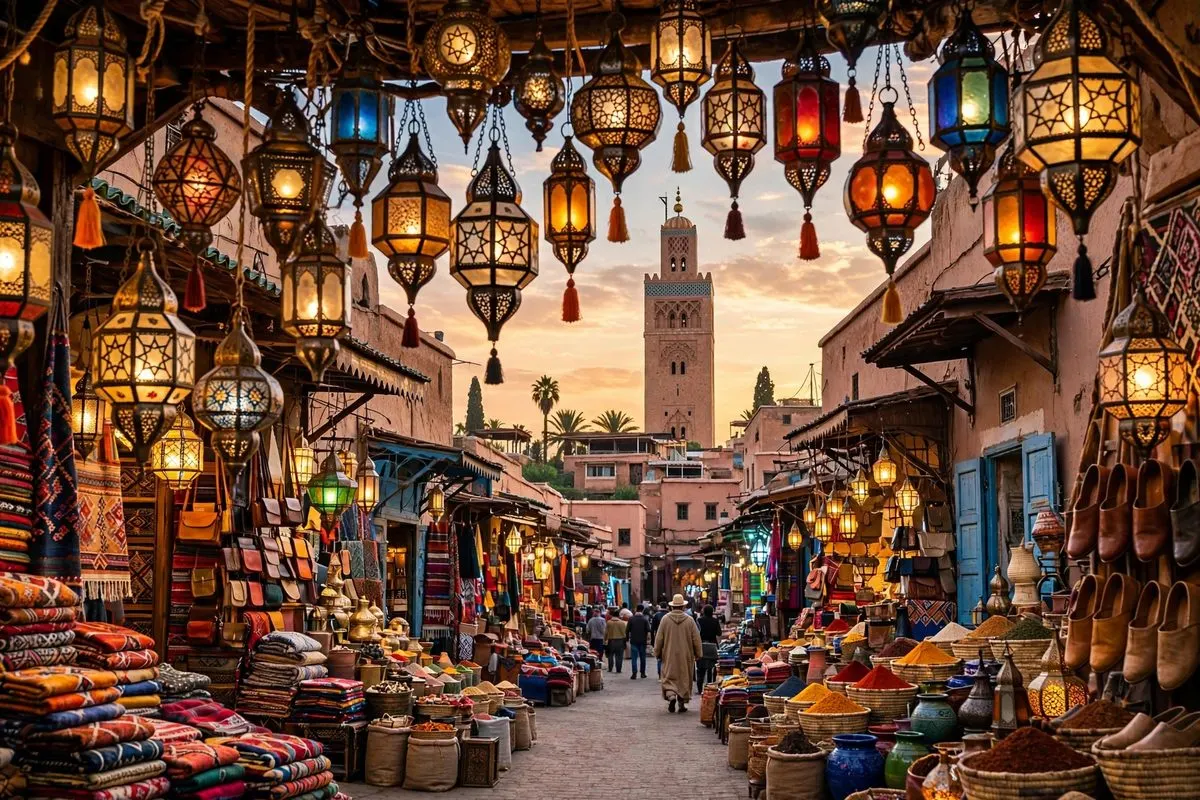
Morocco’s calendar adds flavour if you time it right. Spring brings the Rose Festival in Kelaat M’Gouna, when the Valley of Roses — on the desert tour route — turns pink and fragrant. Early summer hosts world-music festivals in Fes and Essaouira. Autumn is harvest season in the valleys: dates in Erfoud, saffron near Taliouine, and the desert roads at their most golden.
Two practical warnings. First, peak weeks (Christmas–New Year, Easter, October) fill the best desert camps weeks ahead; the dunes do not get crowded, but beds do. Second, mountain weather is its own country: the High Atlas can see snow from December to February, which occasionally slows the Tizi n’Tichka crossing by an hour or two. Build buffer days around winter crossings and you will experience it as scenery, not stress.
Questions about this route? Message us on WhatsApp — a local guide, not a call centre, will answer.
3 Days / 2 Nights
Cross the High Atlas, sleep in a luxury Sahara camp and ride camels into the Erg Chebbi dunes at sunset.
 10 Days / 9 Nights
The ultimate Morocco journey: imperial cities, blue city, Sahara, Atlas and the Atlantic coast in 10 days.