
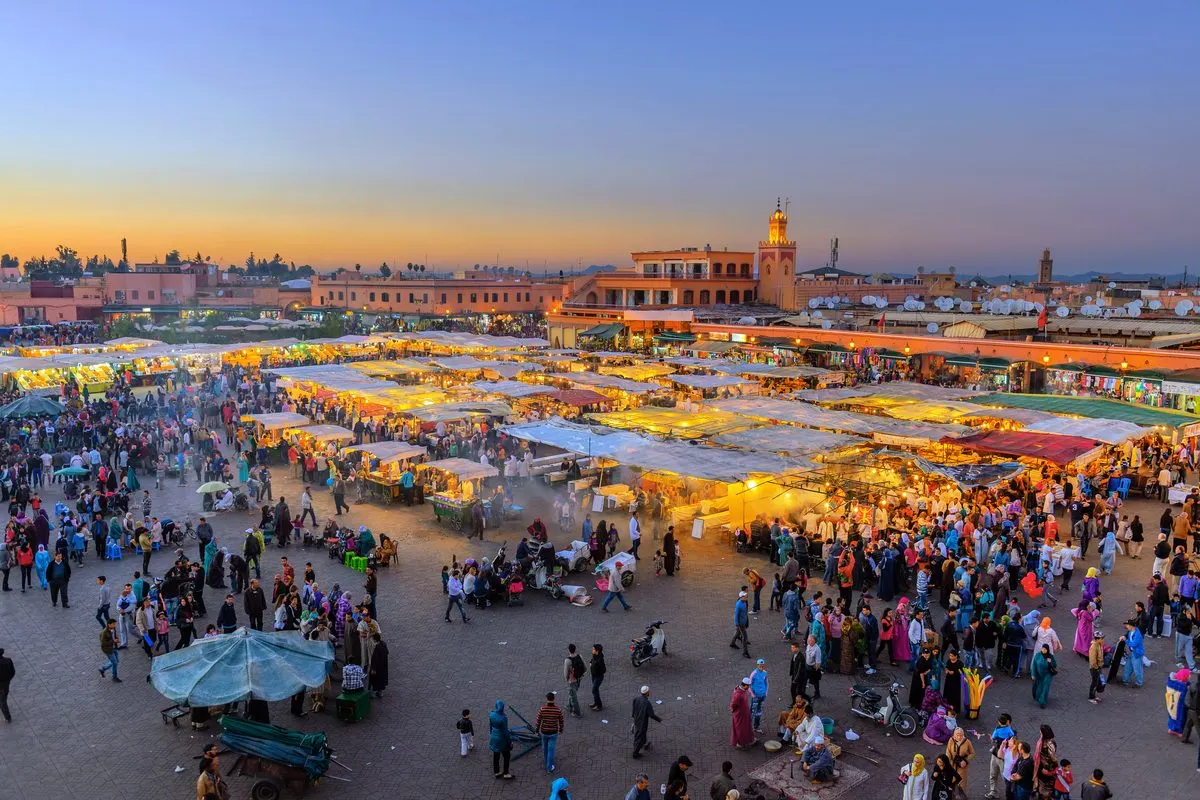
 3 Days / 2 Nights
3-Day Marrakech to Merzouga Desert Tour
Cross the High Atlas, sleep in a luxury Sahara camp and ride camels into the Erg Chebbi dunes at sunset.
from €389View Tour
Marrakech safety for tourists: petty scams to know, areas and habits that keep you comfortable, women travelling in Marrakech, and honest advice from local guides.
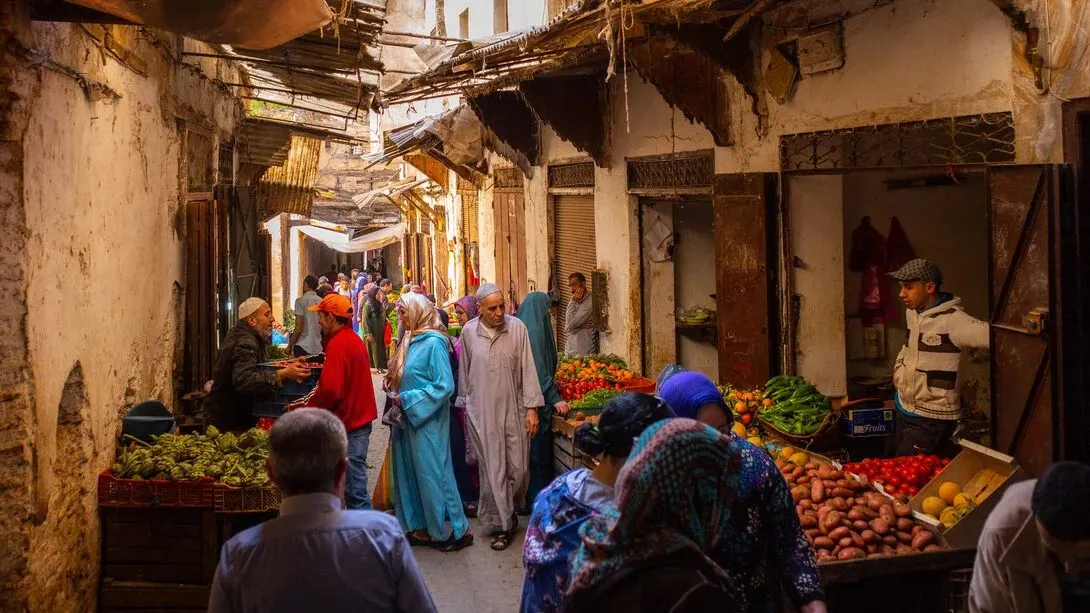
Yes — Marrakech is safe for tourists in the ways that matter most. Violent crime against visitors is rare, the medina is busy and well-policed in the main areas, and millions of travellers wander Jemaa el-Fnaa and the souks every year without incident. What Marrakech does have is friction: persistent shopkeepers, unofficial "guides" and price games. Knowing the handful of classic situations in advance turns them from stressful to mildly entertaining.
The famous ones are simple. A friendly local says the road is closed or the tannery is "only open today" and offers to lead you — the walk ends at a cousin’s shop and a request for a tip. A price is "forgotten" until the end of a henna, photo or snake-charming moment. The fix is boring and total: agree every price before anything happens, decline unwanted help with a smile and a firm "la, shukran" (no, thank you), and use official guides or your tour driver for directions. If you do get lost — everyone does — ask a shopkeeper inside a shop, not someone who approaches you.
The medina around Jemaa el-Fnaa, the souks, the Kasbah and Mellah are lively until late and fine to walk with normal city awareness: keep your phone out of sight at café tables, carry bags on the wall side of alleyways, and keep small cash separate from your main wallet. Gueliz, the modern city, is calmer and café-filled. Late at night the quieter alleys empty out — take a taxi back to your riad rather than navigating dark lanes, which is about comfort more than danger.
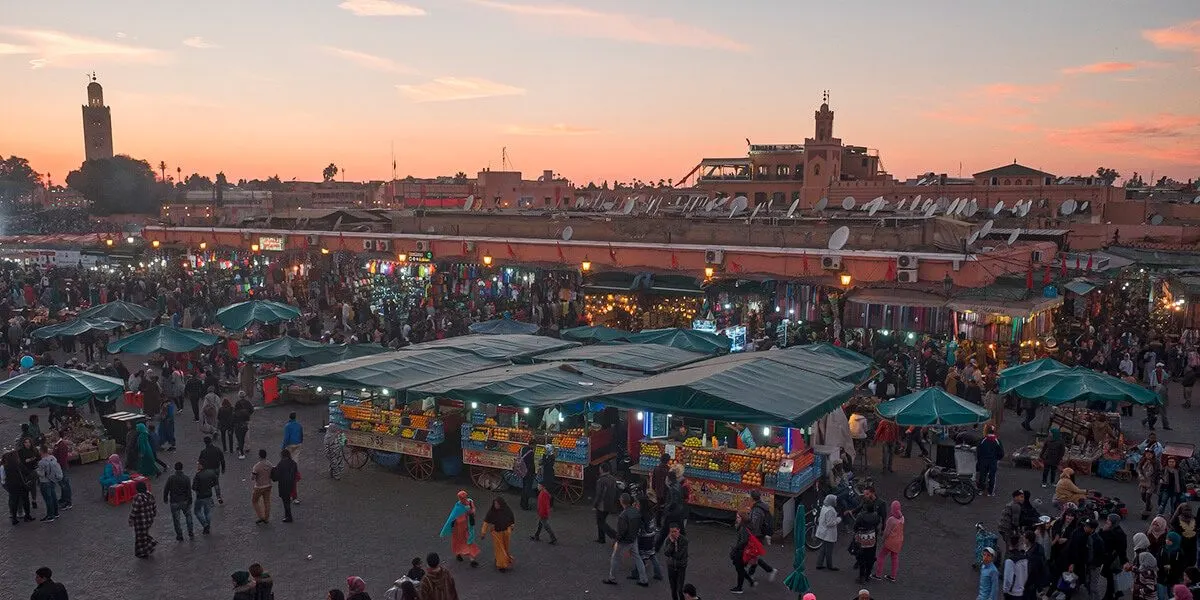
Women visit Marrakech solo in large numbers. Expect attention and occasional comments in the medina; harassment is verbal, not physical, and generally stops with ignoring it completely. Dressing modestly — covering shoulders and knees — noticeably reduces friction and shows respect in a conservative old city. Many women travellers tell us a private guide or driver for the first day changed the whole trip: confidence first, then independence.
Drink bottled or filtered water, eat where turnover is high (the Jemaa el-Fnaa grill stalls cook in front of you), and treat the sun as seriously as you would in the Sahara — Marrakech heat catches northern visitors out every spring. Use petit taxis with the meter (compteur) or agree the fare first. And ironically, the part of Morocco people fear most — the desert — is the calmest: on an organised tour your driver handles the roads, the camp handles the night, and your biggest risk is a very full camera roll.
Marrakech is not a city where you need to be afraid; it is a city where you need to be awake. Book accommodation inside the medina only if you are happy being walked to it the first time, keep the classic scripts in mind, and let a local handle logistics when you are tired. Do that, and what remains is what travellers have loved for a century: noise, colour, kindness and the best evening square on earth.
First, arrange your first medina arrival properly: riads tucked in the alleys are charming from night two onwards, but have your host or driver meet you at a known gate the first time — most "bad experiences" in Marrakech are simply tired travellers, lost at dusk, accepting the loudest offer of help. Second, learn the city in daylight layers: a guided morning, then your own wandering, then the evening square. Confidence compounds quickly here. Third, keep a small "walking-away" kit: sunglasses on, headphones out but music off, a destination in mind. Looking purposeful is 90 percent of the art.
If something does go wrong — a lost bag, a scam that stings, a health wobble — the tourist police (brigade touristique) near Jemaa el-Fnaa deal with visitors daily and take reports seriously, and your tour operator’s WhatsApp line is usually the fastest route to a solution on the ground. Marrakech has been receiving travellers for over a century; its systems for looking after them are older than most of its visitors.
Message us on WhatsApp for honest, local advice — no obligation.
3 Days / 2 Nights
Cross the High Atlas, sleep in a luxury Sahara camp and ride camels into the Erg Chebbi dunes at sunset.
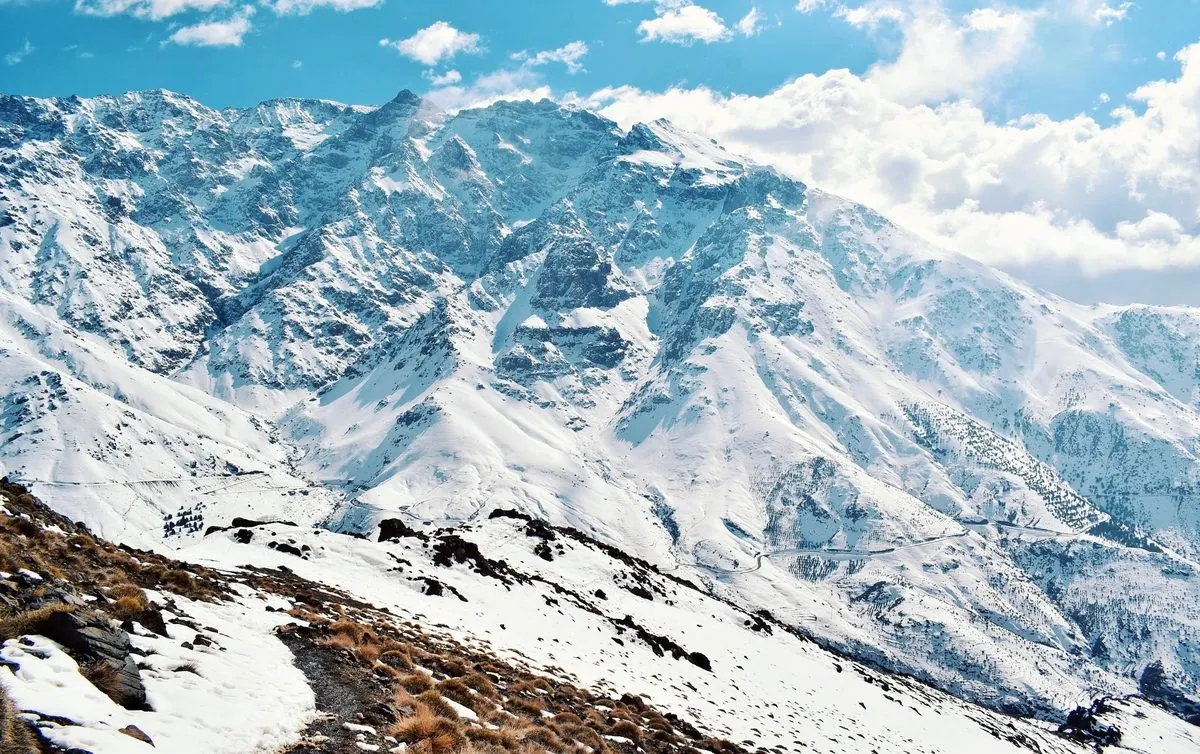 Full Day (8h)
Escape Marrakech for the High Atlas: Berber villages, waterfalls and a traditional lunch with mountain views.